
Why You Should Be Using Sunscreen
Even If the Internet Says Otherwise

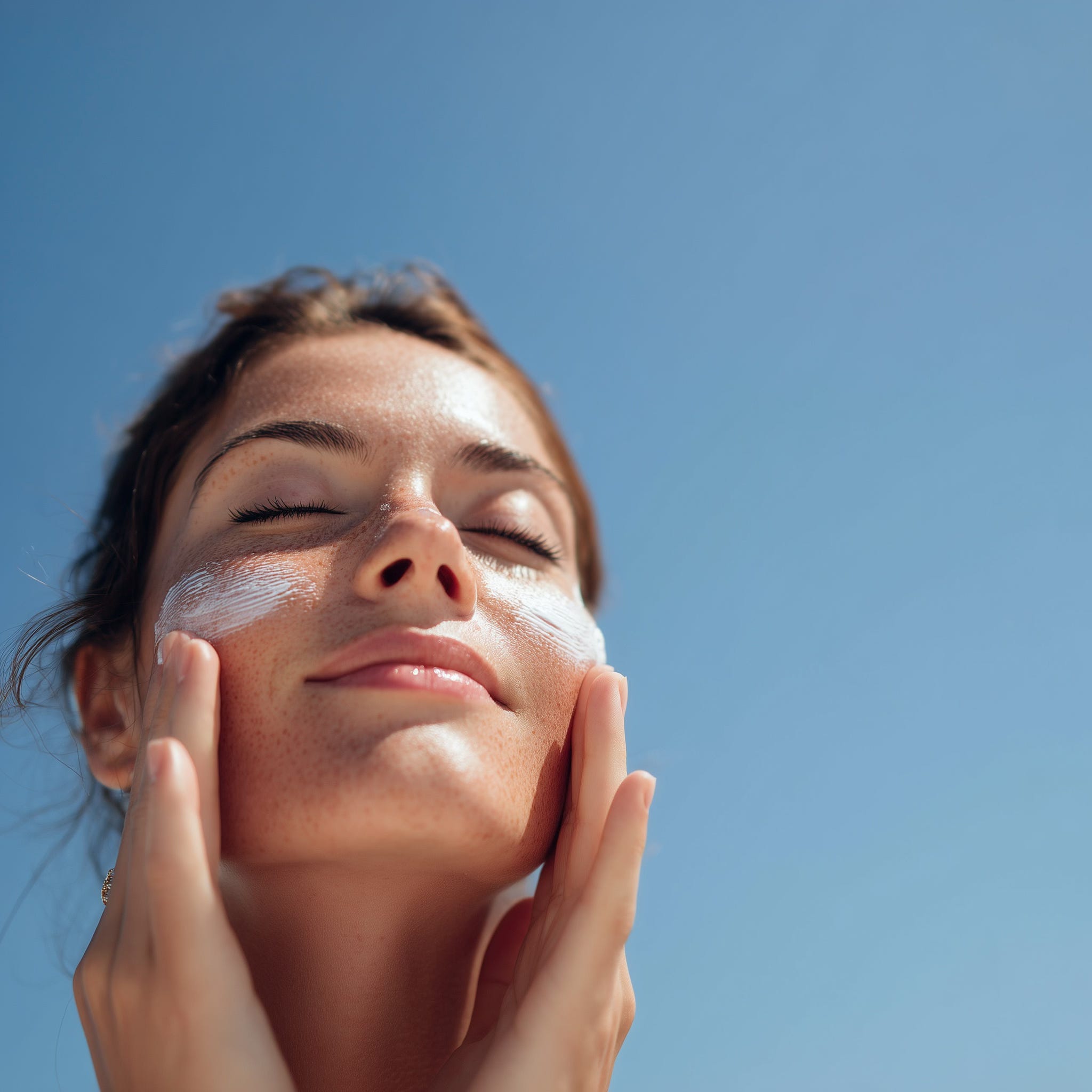
There is a lot of talk online right now about how sunscreen is harmful.
And I get it. Every few months, something goes viral claiming that sunscreen is toxic, disrupts hormones, or somehow does more harm than good.
Let me start by saying this:
I am not a dermatologist.
But I am an internal medicine physician, and I see a lot of skin issues in my practice.
And one thing I see very, very commonly?
Skin cancer.
Skin Cancer Is Not Rare
Skin cancer is one of the most common cancers in the world.
Not rare. Not unusual. Not something that only happens to other people.
It is everywhere.
And one of the biggest risk factors?
Excessive ultraviolet radiation from the sun.
I routinely see older patients who tell me the same story:
“I used to lay out in the sun all day.”
“We did not really use sunscreen back then.”
“I loved tanning.”
Fast forward 20 to 30 years, and now they are dealing with:
Basal cell carcinomas
Squamous cell carcinomas
Sometimes melanoma
Multiple procedures. Multiple biopsies. Repeated dermatology visits.
This is not theoretical. This is real life.
Our Ancestors Did Not Use Sunscreen Let’s Talk About That
This argument comes up a lot.
Our ancestors did not use sunscreen.
And technically, yes, that is true.
But let us not ignore two important things:
1. Our ancestors did not live as long as we do.
They often did not live long enough to develop cumulative sun damage that leads to skin cancer.
2. If we are going to live like our ancestors, we have to go all in.
That means no antibiotics.
No modern medicine.
No advanced cancer treatments.
No technology.
We do not get to pick and choose selectively when it is convenient.
We benefit from modern medicine in every other area of life. This should be no different.
What the Science Actually Says About UV Exposure
Ultraviolet radiation, specifically UVA and UVB rays, damages DNA in skin cells.
Over time, this damage accumulates.
That accumulation is what leads to:
Premature aging such as wrinkles and hyperpigmentation
Actinic keratoses which are precancerous lesions
Skin cancers
This is not controversial.
It is well established across decades of research.
Even more concerning?
Tanning beds.
They are not a safer version of the sun.
They are a concentrated source of ultraviolet radiation.
Studies have shown that indoor tanning significantly increases the risk of melanoma, especially when started at a young age.
But What About the Benefits of Sun Exposure
Now to be fair, sunlight is not the enemy.
There are real health benefits to sun exposure:
Vitamin D production
Circadian rhythm regulation
Potential mood benefits
But here is the key distinction:
These benefits do not require prolonged or excessive sun exposure.
You do not need to lay out for hours.
You do not need to burn.
Short, intentional exposure is enough for most people.
Beyond that, you are not getting extra benefits. You are just increasing damage.
The Sunscreen Debate Mineral vs Chemical
Another area of confusion is the type of sunscreen.
You will typically hear about two categories:
Mineral Sunscreens
Contain zinc oxide or titanium dioxide
Sit on top of the skin and reflect ultraviolet rays
Often recommended for sensitive skin
Chemical Sunscreens
Absorb ultraviolet radiation and convert it into heat
Tend to be easier to apply and more cosmetically elegant
You may have seen concerns about chemical absorption into the bloodstream.
And yes, some studies show that certain ingredients can be detected in small amounts.
But detection does not equal harm.
As of now, major regulatory bodies and dermatologic societies still consider sunscreen to be safe and effective.
Meanwhile, the harms of ultraviolet exposure?
We know those are real.
So Should You Wear Sunscreen
As a physician, my answer is simple:
Yes. You should be wearing sunscreen when you are going out.
Not because it is trendy.
Not because it is cosmetic.
Because it is preventive medicine.
Think of it like an investment.
You are putting in a small amount of effort now
a few seconds in the morning
to reduce your risk of:
Skin cancer
Premature aging
Long term skin damage
Years down the line.
The Bottom Line
You do not need to fear the sun.
But you do need to respect it.
Use sunscreen.
Avoid excessive exposure.
Be intentional about your health.
Because the patients I see years later?
They all wish they had.
I’m Dr. Amro Mahmoud. If you enjoyed this and want more evidence based, real world medicine, subscribe to Blueprint Health.
Get a good hat. It’s horrible
Great article. One thing I came across recently, newer chemical filters used outside the US have much less systemic absorption and more photostable. The FDA hasn't approved new sunscreen filters since the 1990s, so Americans are stuck with older ones that raise more of the absorption and endocrine concerns. But they are looking at newer filter approvals in the next year or two.